
A sea-life jewelry collection can give aquarium visitors a way to remember the animals they encountered during their visit. For gift shop buyers, the challenge is choosing designs that connect with those experiences while forming a clear, manageable retail display.
From beluga whale necklaces to sea otter earrings, this guide explores sea life jewelry ideas for aquarium gift shops and shows how to organize them into a focused collection.
1. Start with Animals Connected to Your Aquarium
Use your aquarium’s exhibits and educational themes as the starting point for product selection.
If sea turtles feature prominently in the visitor experience, turtle pendants and rings can anchor a related display. An aquarium with an octopus exhibit might select sculptural octopus jewelry, while a facility with penguins or sea otters could build a small collection around those animals.
Keep species names accurate. A beluga whale, a dolphin and a humpback whale have distinct shapes and should not be treated as interchangeable designs.
Choose motifs that your team can connect to the visitor experience. Avoid describing an animal as part of your aquarium’s collection unless it is actually represented there.
2. Use Necklaces to Introduce Recognizable Silhouettes
Pendant necklaces provide a clear space for an animal’s outline and identifying features. Compare designs at their actual size, as details that look clear in a close-up image may be less visible on a small pendant.
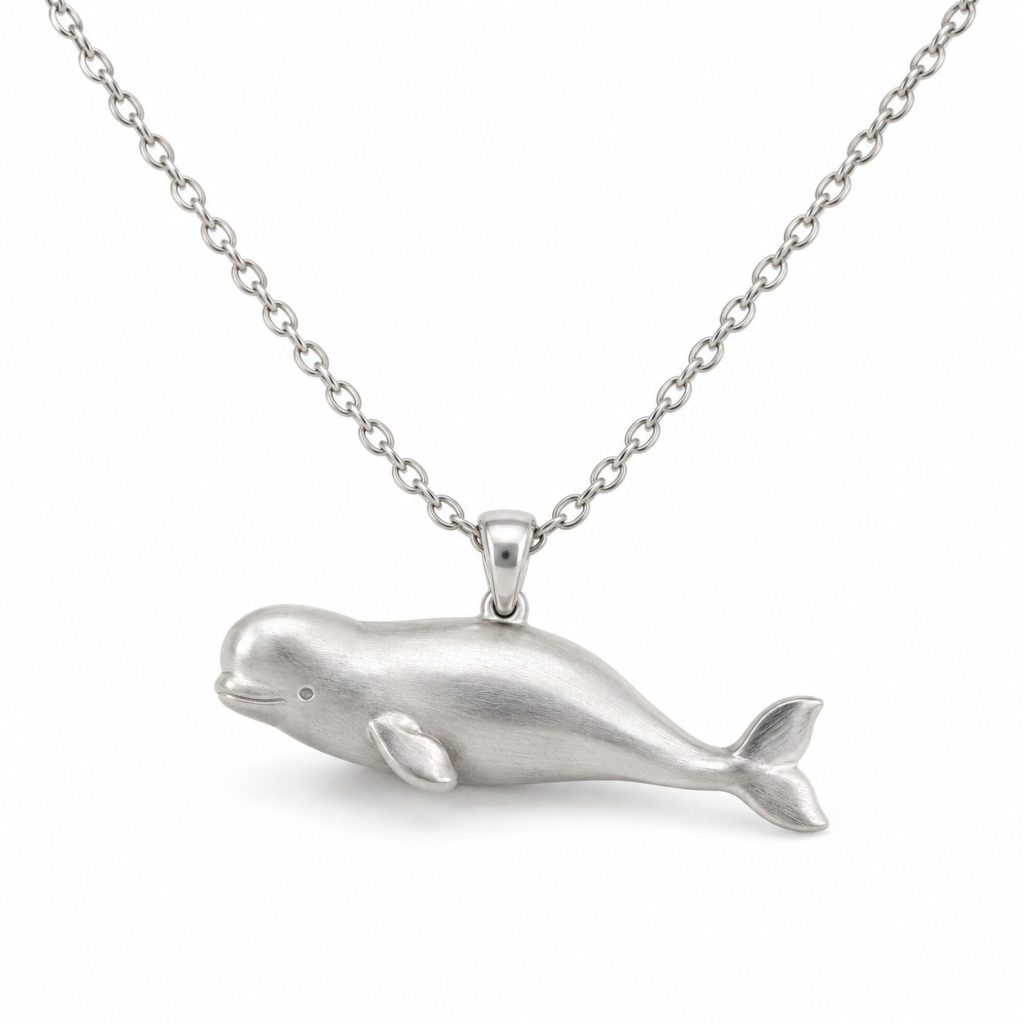
Beluga Whale Necklaces
A beluga design can be recognized by its rounded forehead, short snout and smooth back without a dorsal fin. A restrained metal finish allows those features to define the pendant without relying on colored decoration.
Manta Ray Necklaces
Broad wings and a curved tail give manta ray pendants a distinctive outline. When reviewing a sample, check the edges, tail thickness and the way the pendant rests against clothing.
Octopus Necklaces
Curled arms and suction-cup details create a more elaborate focal point. These designs can add variety to a collection that also includes simpler silhouettes. Check the spaces between the arms and confirm that the finished edges are smooth.
Sea Turtle Necklaces
A defined shell pattern and recognizable flippers can make a turtle pendant easy to identify. Compare the pendant dimensions and chain length before choosing how to present it in your display.
3. Add Earrings for a Different Product Format
Earrings allow the same sea-life theme to appear in a different format, without requiring every animal to become a matching jewelry set.
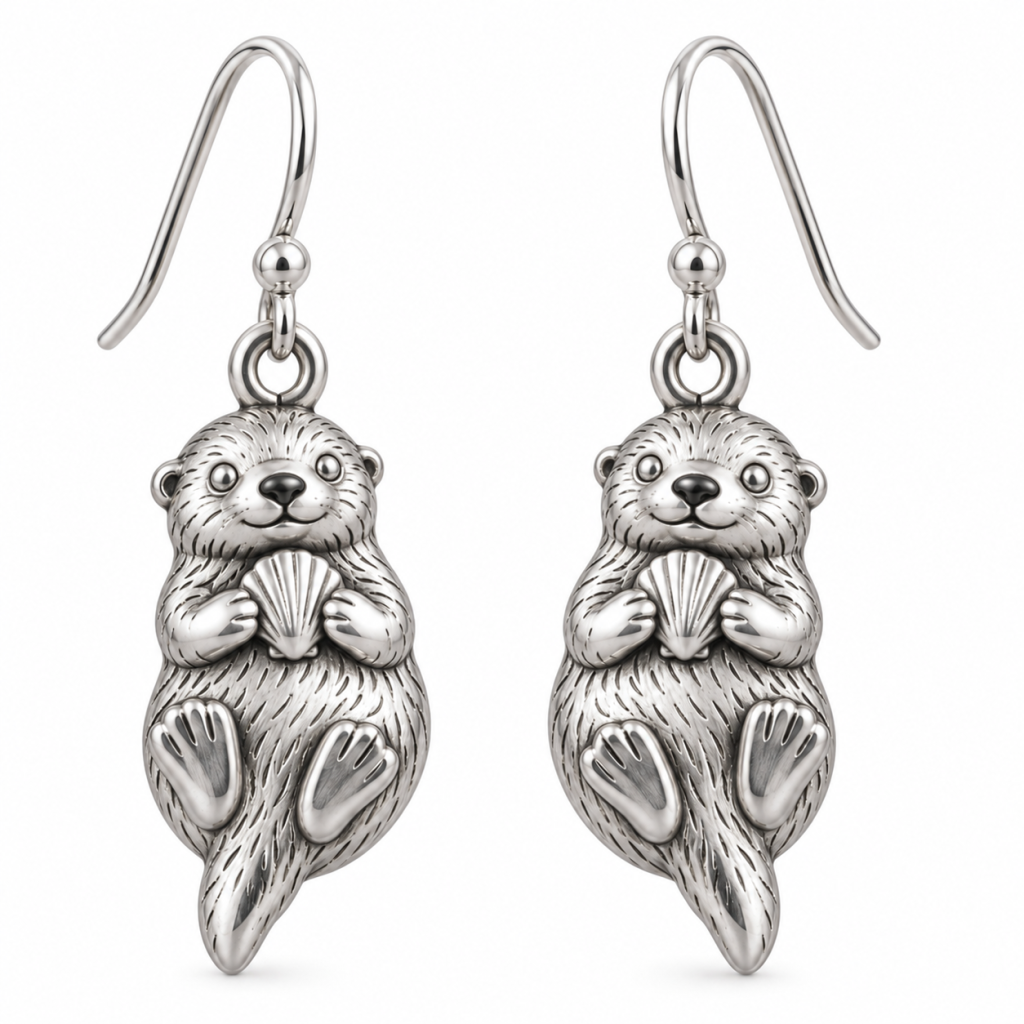
Sea otter drop earrings can feature an otter holding a seashell, with sculpted paws and fur-inspired textures. A compact body shape keeps the visual focus on the animal, while the hanging format gives space for the full silhouette.
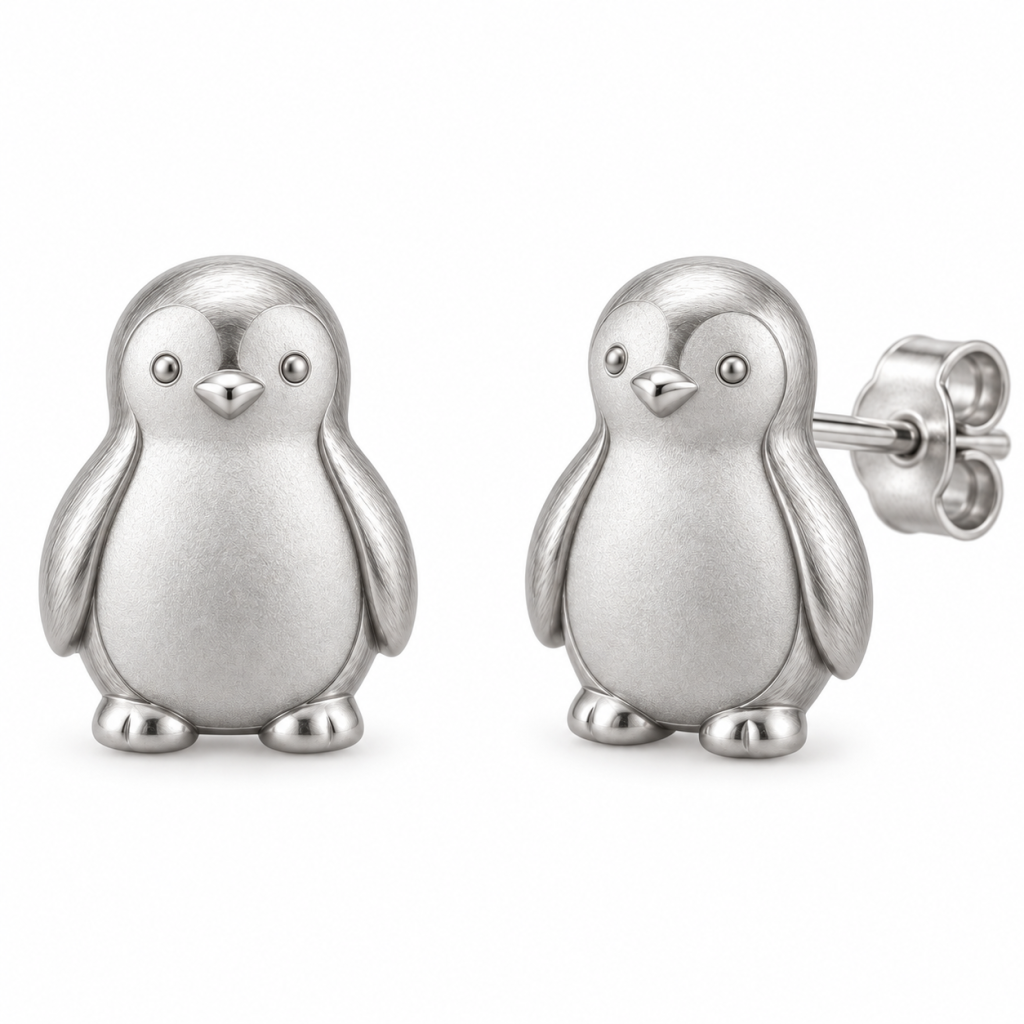
Penguin stud earrings offer a smaller format. Rounded bodies, short wings and subtle feather textures can identify the animal without separate decorative stones.
For each style, confirm the dimensions, fastening type and finished weight. Ask whether the quoted weight and price refer to one earring or one pair. Also confirm the materials used for the posts, hooks and backs separately from the decorative body.
4. Organize the Display into Small Themes
A focused display is easier to understand when products share a clear connection. Consider grouping your selection into a few simple themes:
Marine Mammals
Beluga whale pendants and sea otter earrings.
Reef and Open-Ocean Animals
Sea turtle necklaces, manta ray pendants and octopus designs.
Coastal Details
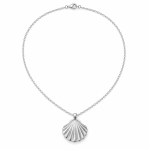
Seashell and starfish jewelry that complements the animal collection.
These are merchandising themes rather than strict biological classifications. Adapt them to your aquarium’s exhibits and the products you actually stock.
Keep the grouping consistent across shelf labels, product cards and online listings. If you add educational information, check it with your aquarium’s education team before printing.
5. Make Material and Product Information Easy to Read
A product card should explain what the customer is buying without relying on appearance alone.
For example, “Silver-Plated Copper Alloy” describes a different material from stainless steel or sterling silver. Similarly, gold-plated jewelry should not be labeled as solid gold.
Useful product information includes:
• Product name and animal represented
• Base material and plating, where applicable
• Pendant or earring dimensions
• Chain length and whether a chain is included
• Earring fastening type
• Care instructions confirmed by the supplier
At Lumabara, material options include Stainless Steel, Silver-Plated Copper Alloy and Gold-Plated Copper Alloy. Availability should be confirmed for each design and its individual components.
Avoid unsupported claims such as “hypoallergenic,” “waterproof” or “tarnish-free.” Use the supplier’s confirmed specifications when preparing customer-facing labels.
6. Review Samples Before Choosing Your Opening Assortment
Design images can help narrow a shortlist, but samples allow you to assess details that photographs cannot fully communicate.
Check how clearly the animal can be recognized at its actual size. Examine the surface finish, pendant edges, connecting rings and earring fastenings. For dangling designs, assess how the components move and whether projecting details catch on fabric.
Try the sample with the packaging you intend to use. A pendant may need a different display card from a pair of studs, and the same pouch may not suit every product.
Start with a manageable selection. Record customer questions and sales by design so that future orders reflect your own shop’s experience rather than assumptions about which animal will be most popular.
7. Prepare Your Wholesale Shortlist
Before requesting a quotation, create a list of the designs you want to compare. Include the product name or SKU, material, quantity and packaging requirements for each item.
Confirm how minimum order quantities apply to different designs, finishes and sizes. For earrings, state quantities in pairs. For necklaces, specify whether you require chains and the preferred chain length.
Provide your delivery location and required arrival date, especially if the collection is intended for a seasonal display or exhibit opening.
Explore Sea-Life Designs for Your Gift Shop
Lumabara’s ocean-inspired jewelry collection includes animal pendants, earrings, rings and bracelets for retailers and gift shops.
Begin with a few designs that connect to your aquarium’s visitor experience. Explore the collection, shortlist your preferred products and use the product inquiry option to confirm specifications and wholesale availability.
For a broader purchasing checklist, read our guide: How to Choose Ocean Jewelry for Your Gift Shop.
[…] an aquarium-focused assortment, our sea life jewelry ideas for aquarium gift shops can help you build the initial […]
[…] aquarium stores, connect the selection to the animals or habitats visitors encounter. See our sea life jewelry ideas for aquarium gift shops for more […]