
A customer can choose a necklace because it matches an outfit. They can also choose it because the animal reminds them of a diving trip, a favorite place or someone they know. For a small boutique exploring Gen Z jewelry trends, that second reason is worth paying attention to.
Younger shoppers do not share one style. Some want a quiet everyday piece; others prefer a sculptural ring that starts a conversation. The useful question is which forms of personal expression fit your particular customers.
What recent trend reports actually show
Etsy’s Spring and Summer 2026 Seller Trend Report reported an 84% rise in searches for “whimsical jewelry.” Its figures compare the three months ending February 10, 2026 with the same period a year earlier, using U.S. signed-in activity. This is a directional marketplace signal, not a measurement of global jewelry sales or Gen Z demand for a particular animal.
Pinterest’s 2026 forecast also emphasizes personal expression and choosing trends that suit an individual’s identity. Together, these reports give retailers a reason to explore expressive designs. They do not identify guaranteed bestsellers.
Why animal jewelry can feel personal
Our merchandising interpretation is that recognizable motifs give shoppers an easy starting point for a story. A frog can feel cheerful, a shark can connect with a diving interest, and a shell can recall a beach holiday. The meaning belongs to the wearer; a retailer does not need to invent a universal symbolic claim.
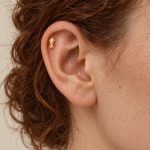
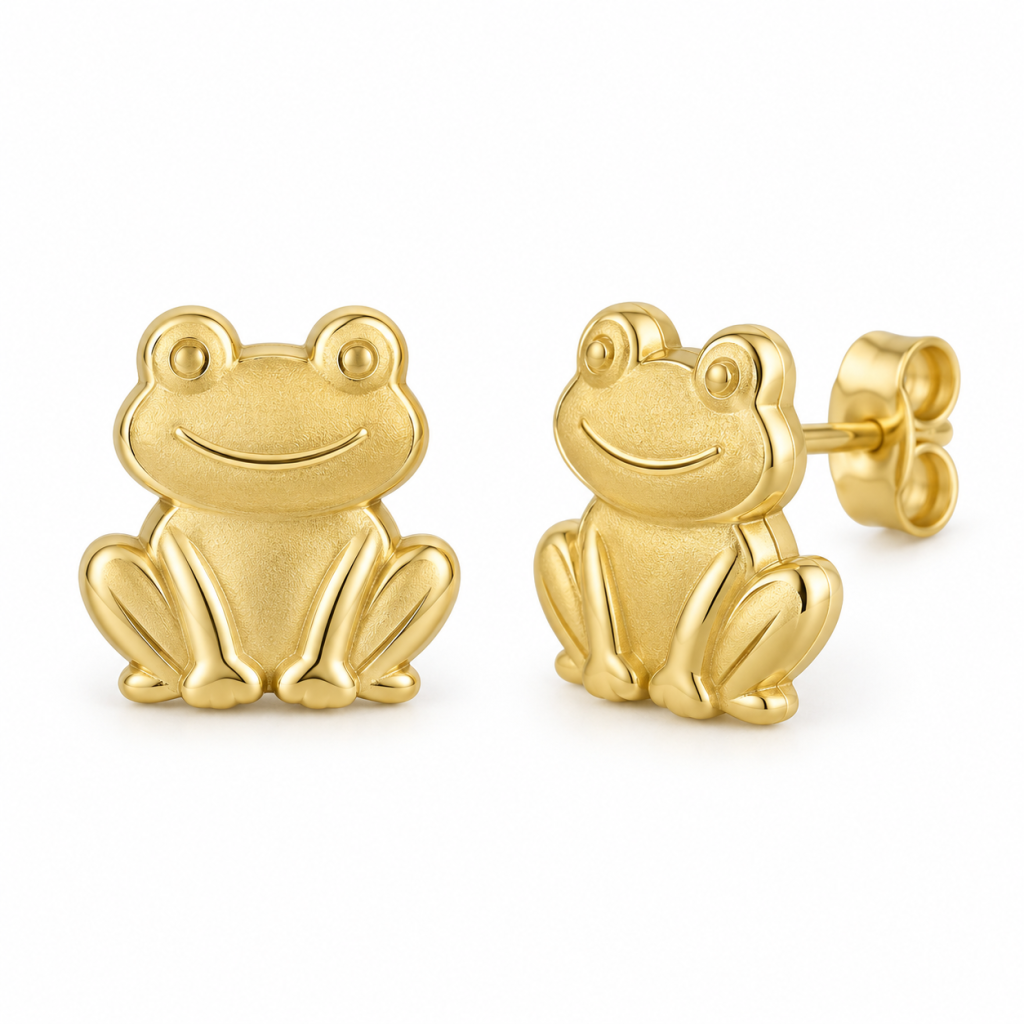
A compact design can also introduce a playful idea without requiring a completely different wardrobe. Lumabara’s smiling frog stud earrings offer one example: the character comes from a recognizable sitting frog and a small stud format. They belong in a nature or wildlife edit rather than being described as a marine species.
Four directions to test in a boutique
| Design direction | Possible customer connection | What to learn from a small test |
|---|---|---|
| Playful animal studs | A lighthearted detail or personal gift | Do shoppers ask for the animal, the finish or the smaller scale? |
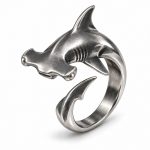
| Sculptural animal rings | A visible statement piece | Which sizes are requested, and does the raised design feel comfortable? |
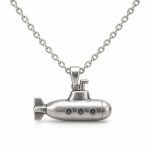
| Species-specific pendants | A hobby, destination or wildlife interest | Does a more specific animal name help customers find the piece? |
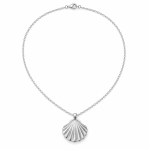
| Wave and shell forms | A coastal mood without an animal figure | Do customers prefer simple outlines or pronounced texture? |
For a more defined marine theme, compare a zebra shark ring with hammerhead shark studs. They share an interest, but offer different scales and ways to wear it. Treat them as alternative choices, not an automatically matching set.
Give the test a clear question
Choose a small number of styles that answer different questions. Keep their photography, placement and descriptions reasonably consistent, then record customer questions, try-ons and actual sales. A design that receives many likes but few purchases may need a fit explanation or clearer size information before you abandon it.
Do not expand into every finish immediately. Each additional size and color can create a separate order commitment. Confirm the minimum for every selected option, and separate evidence from enthusiasm when deciding what to reorder.
Let the product description carry the detail
Use the actual species, jewelry type, material and dimensions. “Hammerhead shark stud earrings” tells a buyer more than “viral aesthetic earrings.” Show the product clearly, describe the fastening and avoid assigning an age or gender to a design unnecessarily.
Explore Lumabara’s earrings collection or metal rings to build a shortlist. For help showing sculptural pieces accurately, read our animal ring presentation article. Send your preferred designs, quantities per option and delivery country through our wholesale inquiry page.