
Choosing wholesale ocean rings and bracelets starts with deciding how the pieces will work together in your store. A collection needs a clear theme, a manageable size range and enough variety to give customers meaningful choices.
Ocean-inspired jewelry can include simple wave shapes, sculpted marine animals and nautical symbols. The aim is to select designs that suit your customers and display space, then use actual sales and feedback to guide future orders.
Here is a practical way to build your shortlist.
1. Choose a Theme Before Adding More Designs
Begin with a small group of related motifs. This makes the collection easier to explain and display.
For a coastal boutique, a wave bangle, whale tail ring and starfish ring can create a consistent seaside theme.
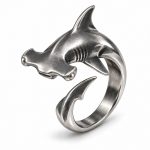
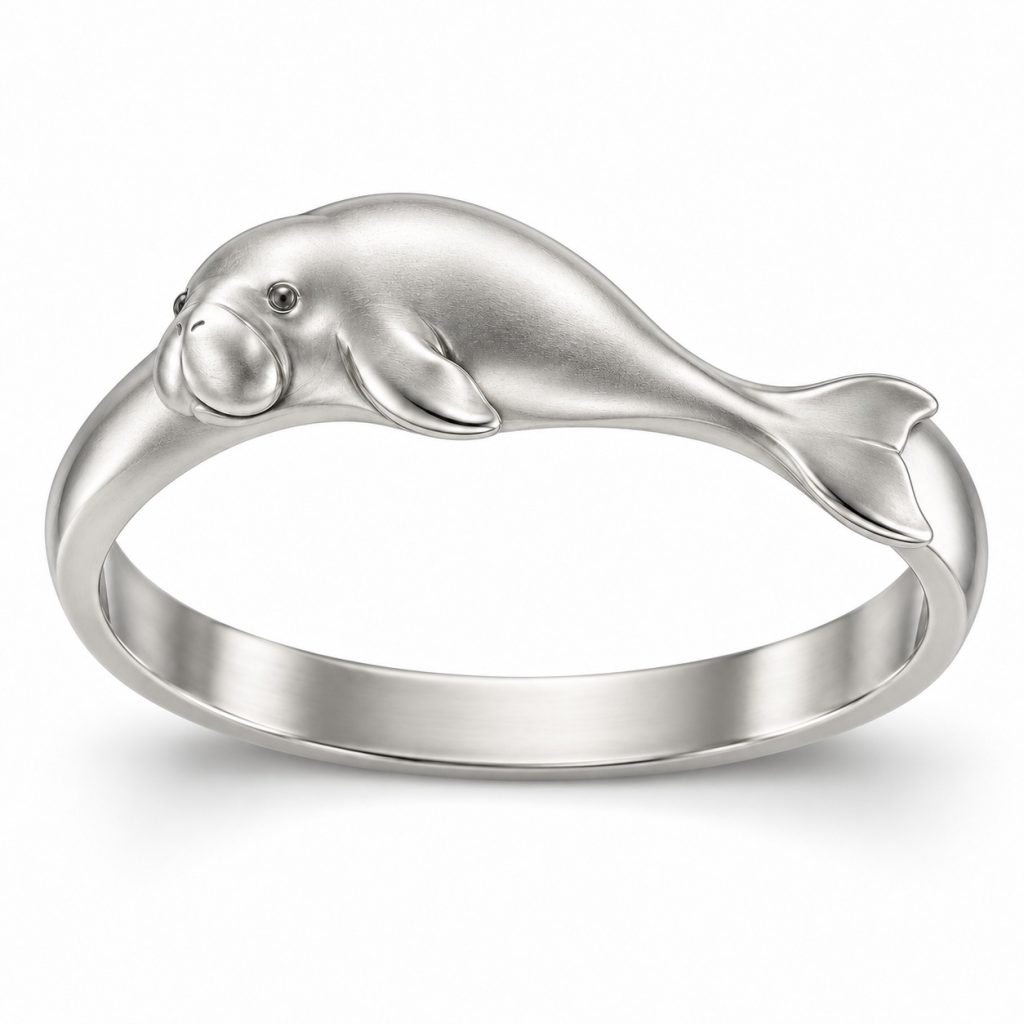
For a marine-animal display, consider a sea turtle relief ring, manta ray ring, shark bangle or dugong bangle.
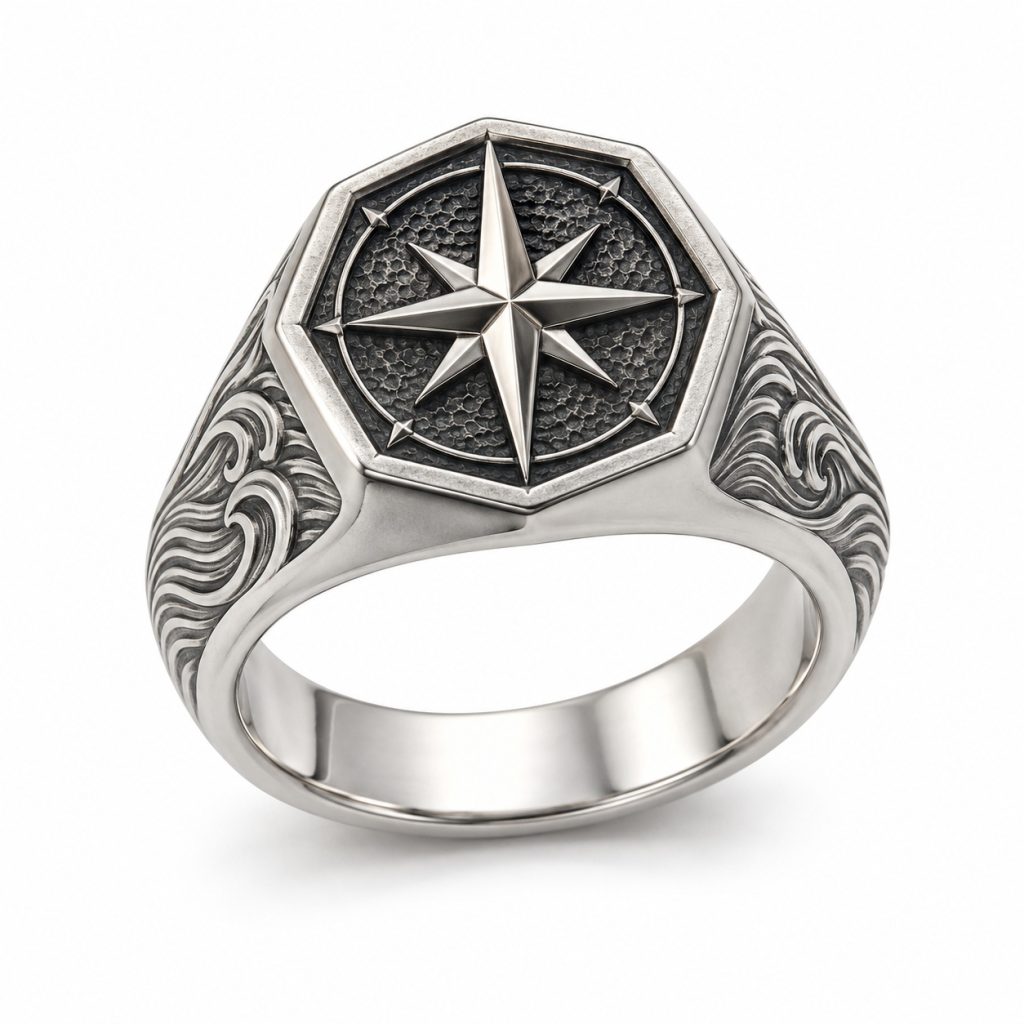
For a nautical collection, a compass rose signet ring, anchor rope ring and sailboat ring provide a separate direction.
These are suggested combinations, not claims about which products will sell best. Choose the group that fits your store’s existing audience.
Our guide to choosing ocean jewelry for your gift shop covers the broader selection process.
2. Give Simple and Sculptural Pieces Different Roles
A wave bangle has a flowing outline, while a lobster ring or crab ring has a more detailed sculptural surface. Both can belong in a collection, but they serve different visual roles.
Use simpler shapes to give the display continuity. Add a few detailed pieces as focal points that invite closer inspection.
For example, a wave bangle can sit beside a manta ray statement ring without requiring every product to have the same animal motif. A nautilus shell ring can introduce a rounded spiral shape beside more angular nautical designs.
Check the physical sample before deciding how a piece should be presented. A close-up image alone does not establish its weight, comfort or suitability for everyday wear.
3. Match the Collection to the Shop
Different retail settings call for different selections.
| Store or display theme | Possible ring choices | Possible bracelet choices |
|---|---|---|
| Coastal boutique | Whale tail or starfish ring | Wave bangle |
| Marine-life gift display | Sea turtle or manta ray ring | Shark or dugong bangle |
| Nautical gift collection | Compass, anchor or sailboat ring | Wave bangle |
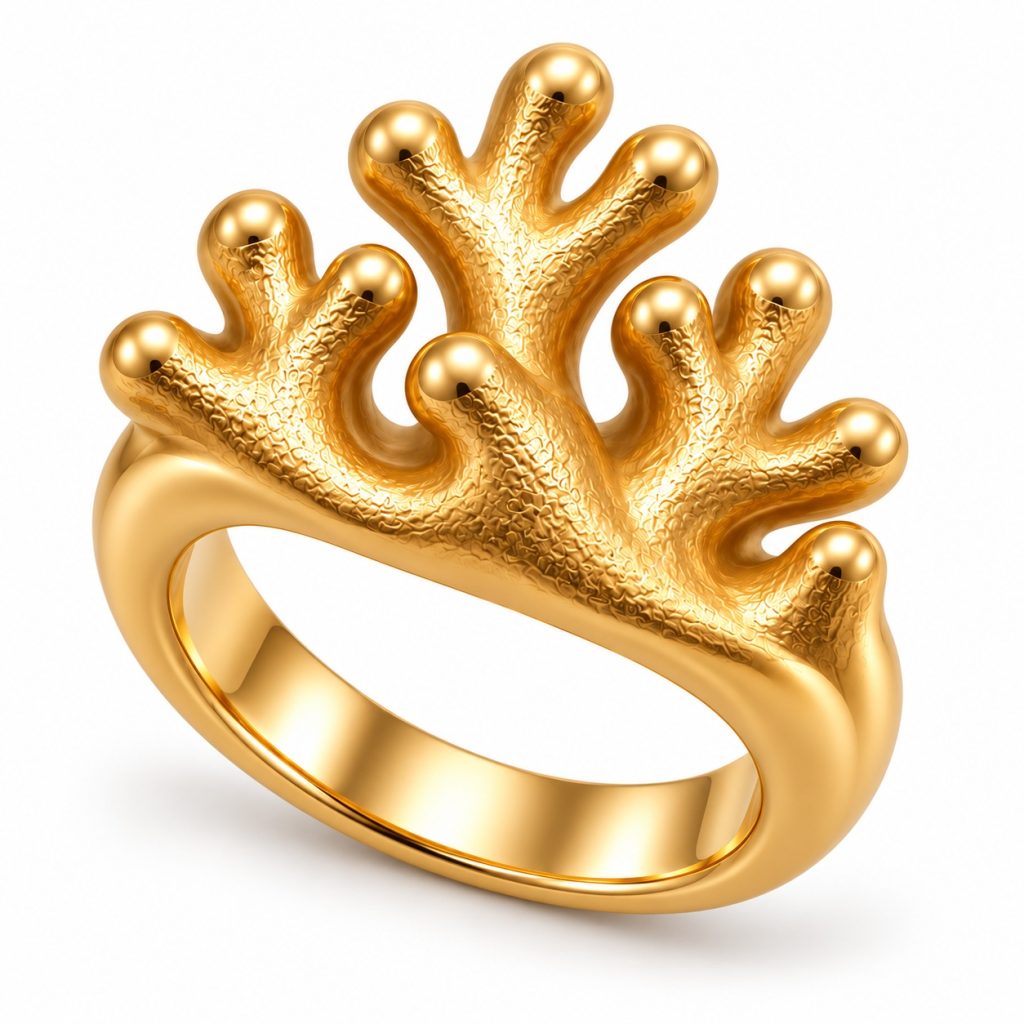
| Reef-inspired display | Coral or nautilus ring | Clownfish or angelfish bangle |
For aquarium stores, connect the selection to the animals or habitats visitors encounter. See our sea life jewelry ideas for aquarium gift shops for more examples.
Keep animal labels accurate. A capybara design may fit a broader wildlife collection, but it should not be described as a marine animal. Similarly, squid and octopus designs should be named according to the actual product.
4. Plan Sizes Before Increasing the Number of Styles
Every additional ring design can create several inventory lines once sizes and finishes are included.
Before ordering, build a simple worksheet with one row for each design, material, finish and size combination. This makes the total quantity easier to understand.
If you do not yet have ring-size sales data, avoid presenting a guessed size distribution as proven demand. Discuss available sizes and minimums with the supplier, then track requests and sales after launch.
For bracelets, distinguish closed bangles, open cuffs and chain bracelets. Request internal dimensions, opening measurements or wearable length as appropriate.
A bracelet should not be advertised as “one size fits all” simply because it has an opening or an extension chain.
5. Keep Finish Descriptions Consistent
Group pieces by their visual finish when planning a display, but use verified material descriptions on product labels.
A silver-tone wave bangle and a silver-tone sea turtle ring may look coordinated, even if their base materials differ. Customers should still be able to find the correct material information for each piece.
When comparing ocean bracelets wholesale, ask whether the finish shown in the image matches the quoted option. Confirm any antiqued recesses, brushed areas or polished highlights that matter to the design.
Do not infer durability or water resistance from appearance.
6. Check How the Jewelry Will Sit in the Display
A wide manta ray ring needs more room than a compact signet ring. Raised coral branches, claws or fins may also need packaging that prevents pressure against neighboring pieces.
Test samples on the trays, cards or stands you intend to use. Make sure customers can see the design and staff can retrieve the item without catching it on adjacent products.
Use white-background images to show details in your online catalog. Wearing images can provide styling context, but dimensions should remain available in the product information.
| For the next step, our jewelry packaging and labeling guide explains how to prepare display cards, product information and a clear packing brief. |
7. Start with a Shortlist You Can Measure
A compact opening assortment could include one flowing wave design, two marine-animal styles and one nautical motif. Expand only where the theme and your order budget support it.
Track sales by design, size and finish. Also record customer questions, requested sizes and reasons for returns. This creates a more useful basis for reordering than assuming the most visually dramatic piece will be the strongest seller.
Browse the Lumabara collection to compare ocean-inspired rings and bracelets. When your shortlist is ready, send your product links and quantity requirements for a wholesale quotation.