
Your necklace tray is almost empty, but several ring sizes remain unsold. Should you repeat the opening order? Usually, the better starting point is to examine each sellable variant separately. Jewelry inventory management becomes more useful when it tells you what needs replenishing, rather than merely what the original assortment contained.
A simple weekly worksheet can support that decision. You do not need a complicated forecast to start; you need consistent records and a realistic supplier schedule.
Track the actual option a customer buys
Record the product code, material or finish, size or configuration and selling unit. A ring in one size should not share its stock balance with every other size. An earring pair should not sometimes be entered as two units and sometimes as one.
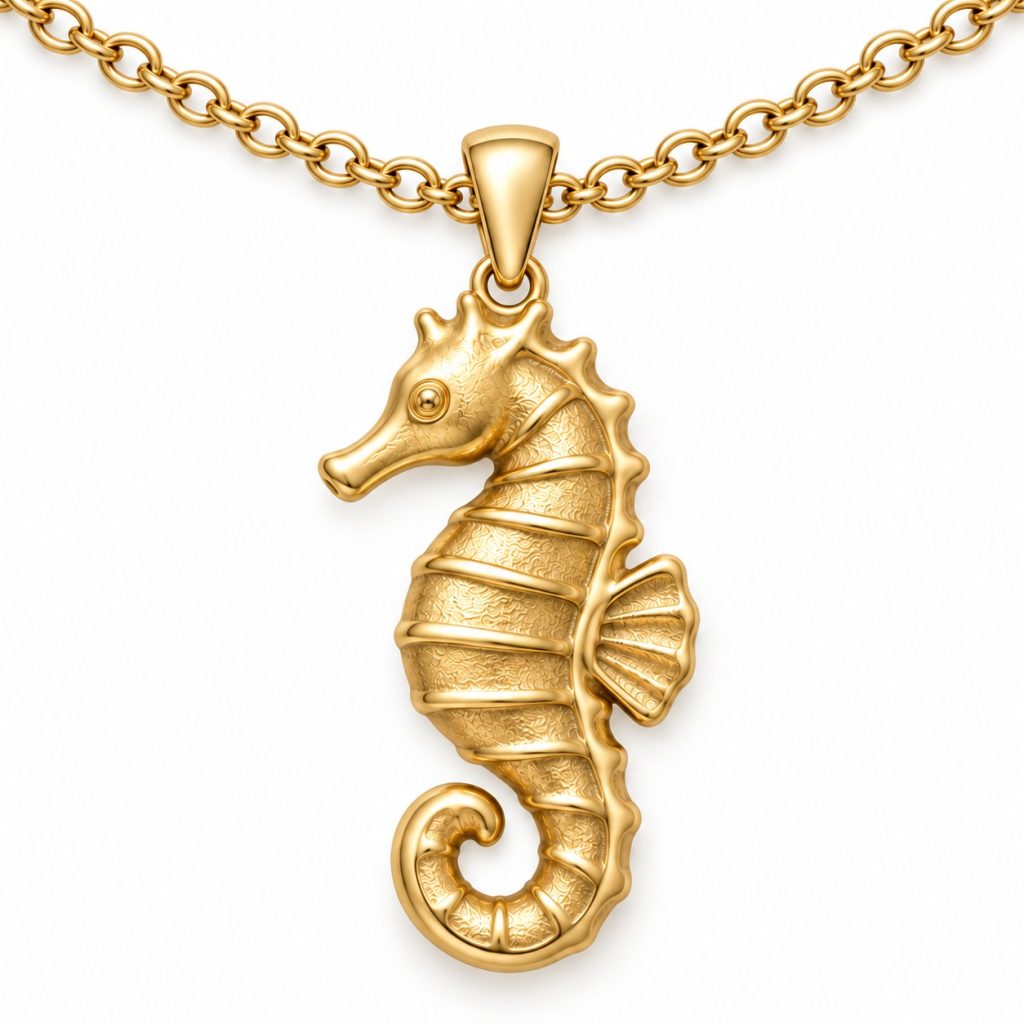
For a seahorse pendant, distinguish the pendant-only option from any confirmed necklace configuration. If chain lengths are sold separately, give each completed configuration a clear record and track shared components where relevant.
Keep a small weekly record
| Field | Why it matters |
|---|---|
| Variant code and description | Prevents different sizes or finishes being merged |
| Usable stock on hand | Excludes damaged or unresolved units |
| Units sold and days available | Shows sales in the context of stock availability |
| Confirmed incoming quantity and date | Helps prevent duplicate purchase orders |
| Unfulfilled customer orders | Shows demand already committed against supply |
| Supplier lead time and minimum | Connects retail demand to an achievable reorder |
Add one short notes column for promotions, unusual events and repeated fit questions. A sudden sales increase during a one-off event should not automatically become the new normal.

Estimate a reorder point
A basic starting formula is expected sales during replenishment time + safety stock. Shopify’s reorder point article explains this approach. Use the full time until stock is ready to sell, including confirmed production, transit and receiving time, rather than the manufacturing estimate alone.
For an illustrative example, suppose one necklace variant sells two units a week while available. Assume its confirmed replenishment time is eight weeks and you choose a six-unit buffer. The planning point is:
2 × 8 + 6 = 22 units.
Those figures are invented for the example, not a Lumabara lead-time promise. The buffer needs judgment: uneven demand and uncertain delivery may justify reviewing it, while a slow-moving product may not warrant the same commitment.
Consider incoming stock before placing another order
Define your inventory position consistently. One useful version is usable stock on hand plus confirmed incoming stock, minus unfulfilled customer orders. Do not subtract orders twice if your system has already deducted them from its available balance.
If you have 14 usable units, 10 confirmed incoming units and two unfulfilled orders, that position is 22. Review whether another purchase is needed rather than reacting only to the 14 pieces on the shelf. Check delivery dates too: a late incoming shipment cannot cover an earlier stock gap.
Separate when to reorder from how much to buy
The reorder point is a timing signal, not the purchase quantity. Decide quantity using expected demand, the supplier’s minimum per option, existing commitments and the stock you can reasonably carry.
If the confirmed minimum is larger than your expected near-term sales, discuss available alternatives or reconsider the variant. Do not add unrelated styles simply to make a shipment look more complete. Lumabara confirms quantities and production timing by product and order; refer to the current custom and wholesale planning information.
Use reorders to improve the assortment
Review strong and weak variants together. Check whether a product was actually available long enough to compare fairly, whether customers could understand its size, and whether a display change affected discovery. Keep confirmed sales separate from saves, likes and informal requests.
Before a repeat order, reference the approved specification and note any changes explicitly. Our sample checklist helps keep the product record consistent. Send your reorder shortlist with variant quantities and the date you need the goods available, so the proposed schedule can be reviewed.