
A founder searching for a private label jewelry manufacturer may mean one of several things: an existing product on a branded card, a modified catalog design, or a completely original piece. These requests involve different decisions, costs and approvals.
Before choosing between private label and custom jewelry, write down what must be unique about your offer. Is it the retail presentation, the finish, the size or the actual form of the jewelry?
Route one: an existing design with your presentation
Private label often refers to selling a supplier’s existing product under an agreed brand arrangement. Suppliers use the term differently, so ask exactly what permission and services are included.
Your project might involve jewelry cards, labels, pouches or boxes. Those details can make a collection easier to recognize, but they do not turn a widely available design into an exclusive one. Confirm whether rebranding is permitted, whether a logo can be added and whether the packaging has its own minimum quantity.
Route two: adapt an existing design
An adapted design starts from an existing style and changes agreed details. Depending on construction, that could involve a suitable finish, dimension or component. The label “ODM” is sometimes used for this route, but the label alone does not tell you how much development is required.
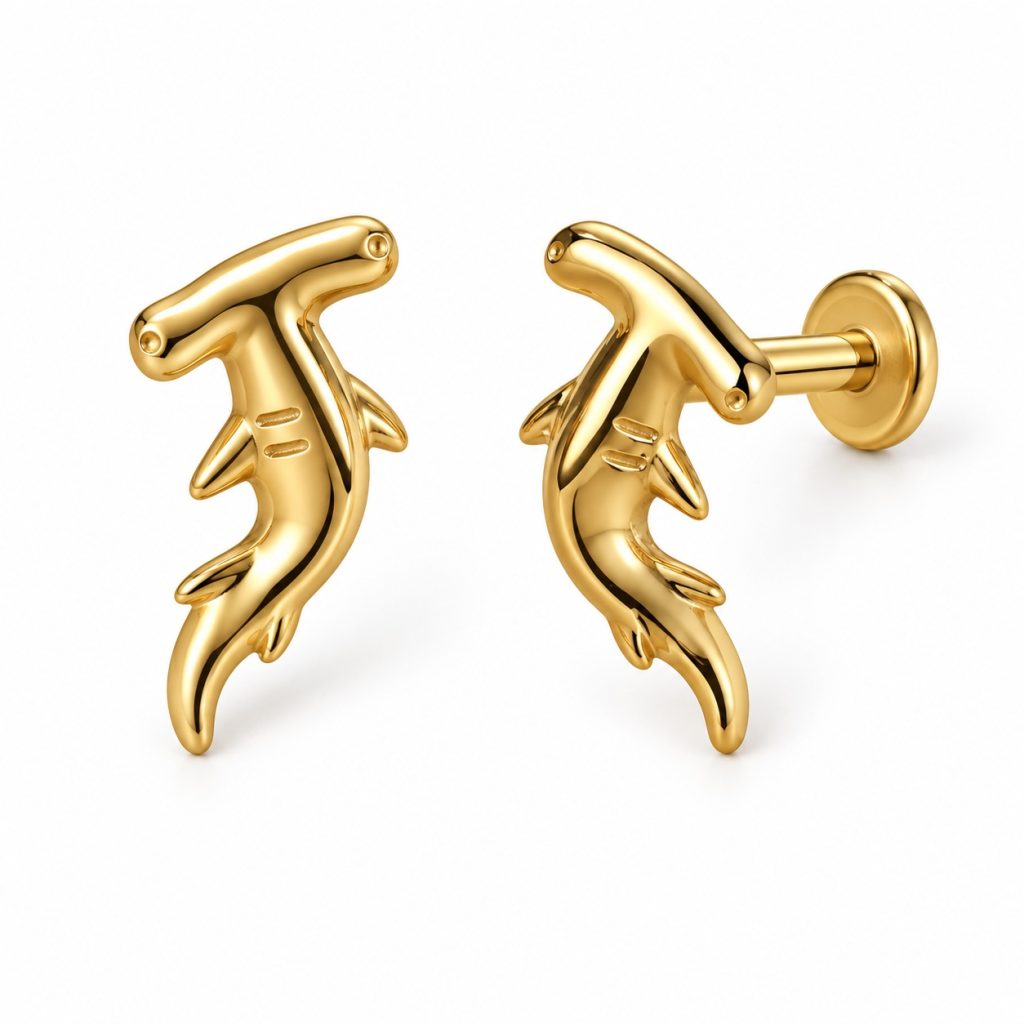
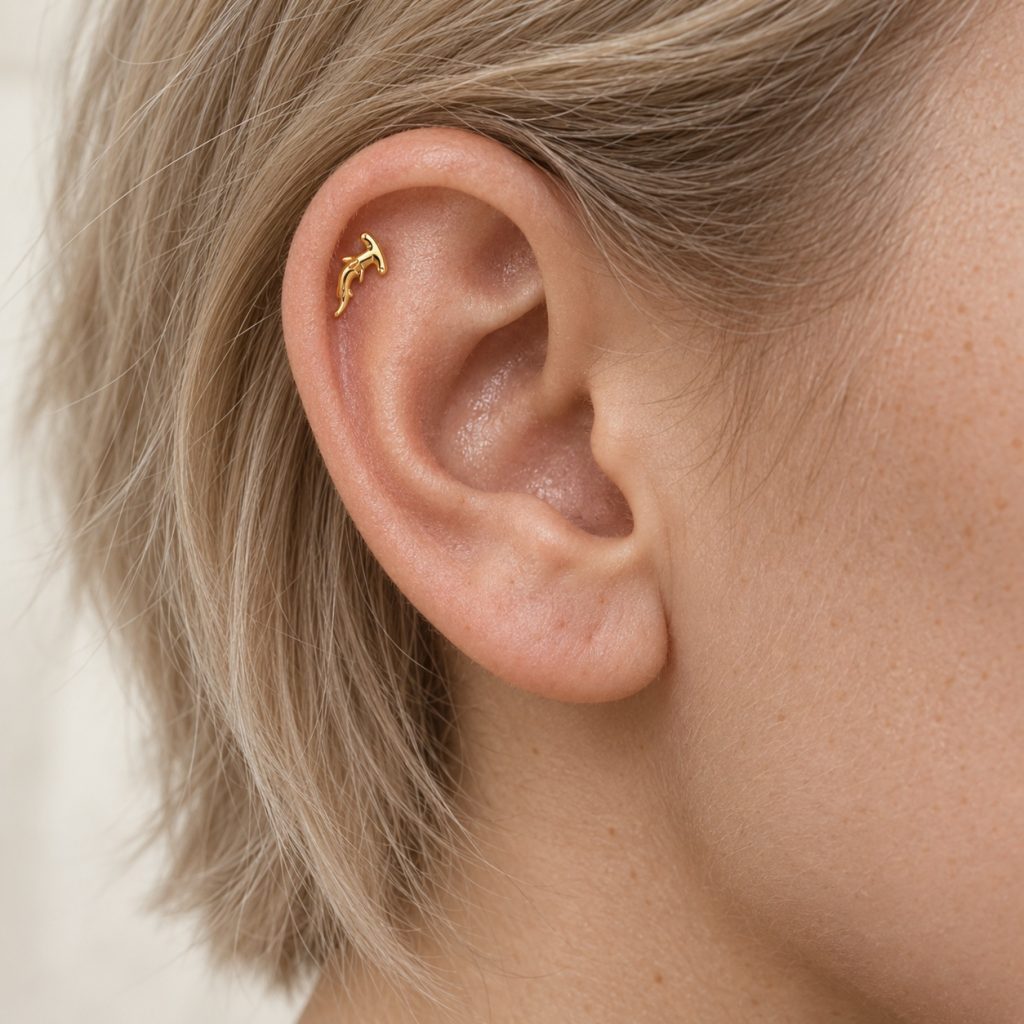
Consider hammerhead shark flat-back studs. Changing packaging is a different task from changing the animal’s proportions. A request that appears small in an image may affect the post connection or require a new sample. The supplier should assess feasibility before you promise the change to customers.
Route three: develop your original design
An original custom project begins with a design brief, sketch or reference concept. Its silhouette, dimensions, construction and finish need to be resolved, then reviewed through the agreed sampling process.
This route can make sense when the product itself is central to your brand identity. For example, a wildlife retailer might need a particular animal pose that is absent from available catalogs. It also requires the founder to make and approve more decisions before production.
| Route | Main decision | Do not assume |
|---|---|---|
| Existing design plus branding | How the approved product is presented | That the design is exclusive or rebranding is automatically permitted |
| Adapted existing design | Which changes are feasible and worth making | That every change avoids tooling or sample work |
| Original custom design | What must be developed and approved | That a sketch is already a production-ready specification |
Choose the route around your strongest requirement
If your concept is mainly about curation and storytelling, a carefully chosen existing range may be enough to test it. If your customer feedback identifies one practical change, explore adaptation. If customers need a product form you cannot source, original development is worth discussing.
Keep a launch checklist for product approval, photography and retail presentation. Do not set a public release date solely from a first sample estimate. Our custom jewelry production timeline article explains why sampling and bulk production are separate stages.
Make the commercial agreement specific
Ask what the quotation includes, how revisions are handled and how minimums apply to each option. If exclusivity, design files or tooling access matter to your brand, have those arrangements explicitly agreed before proceeding. Paying a development charge should not be treated as an automatic answer to those questions.
Lumabara reviews OEM and ODM jewelry projects across rings, necklaces, bracelets, earrings and pendants. Material suitability and branding options are confirmed by project. For an original ocean motif, use our animal design brief article, then send your idea, quantities per option and delivery country through our contact page.
[…] matters are important, include them in the commercial discussion before development begins. Our private label versus custom jewelry article explains the broader sourcing […]