
A clear jewelry care routine begins with knowing which product you are handling. Rings, necklaces, bracelets and earrings can look similar while their base metals, finishes and components differ.
For a retail store, one general polishing instruction may therefore be insufficient. Connect care advice to the specific item and the supplier’s confirmed instructions.
Keep Care Instructions with the Product Record
Record the SKU, confirmed material specification and surface finish. For a necklace, note the pendant, chain and clasp details separately when their specifications differ.
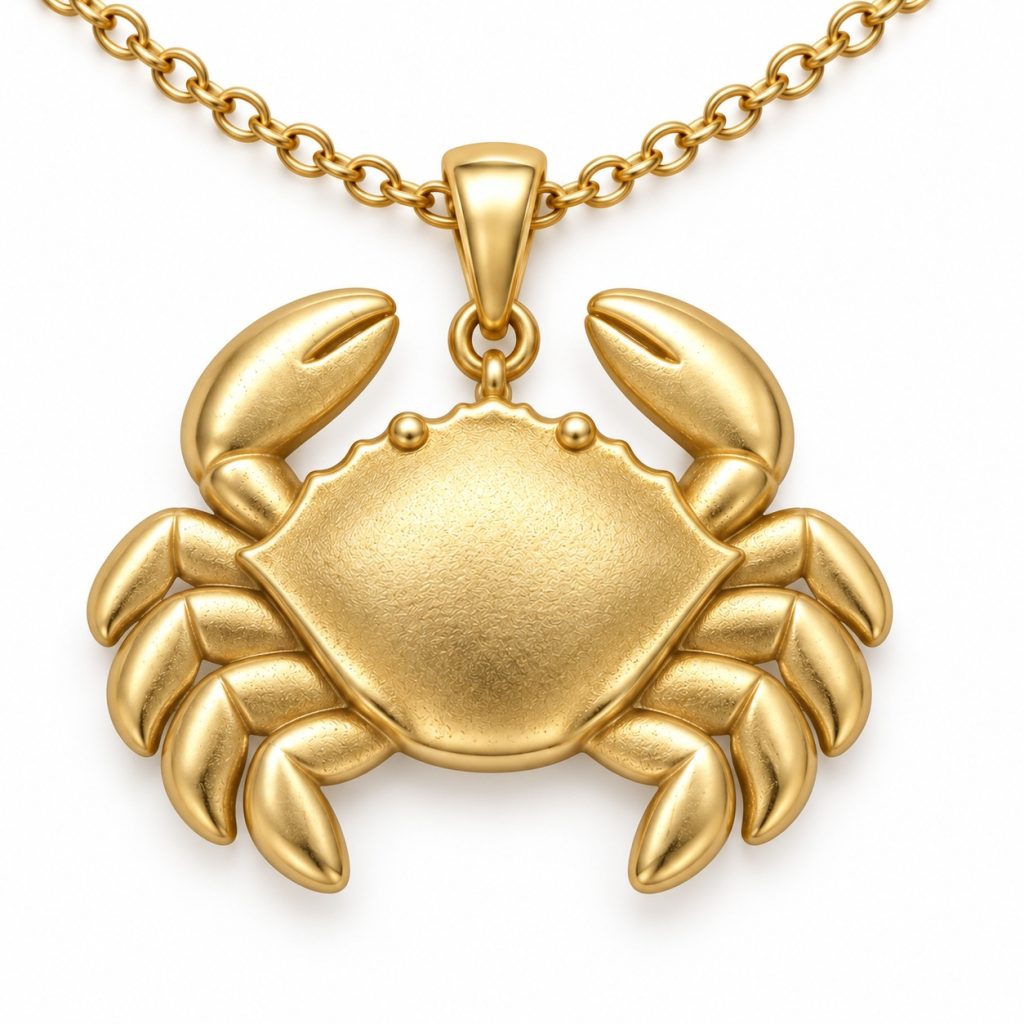
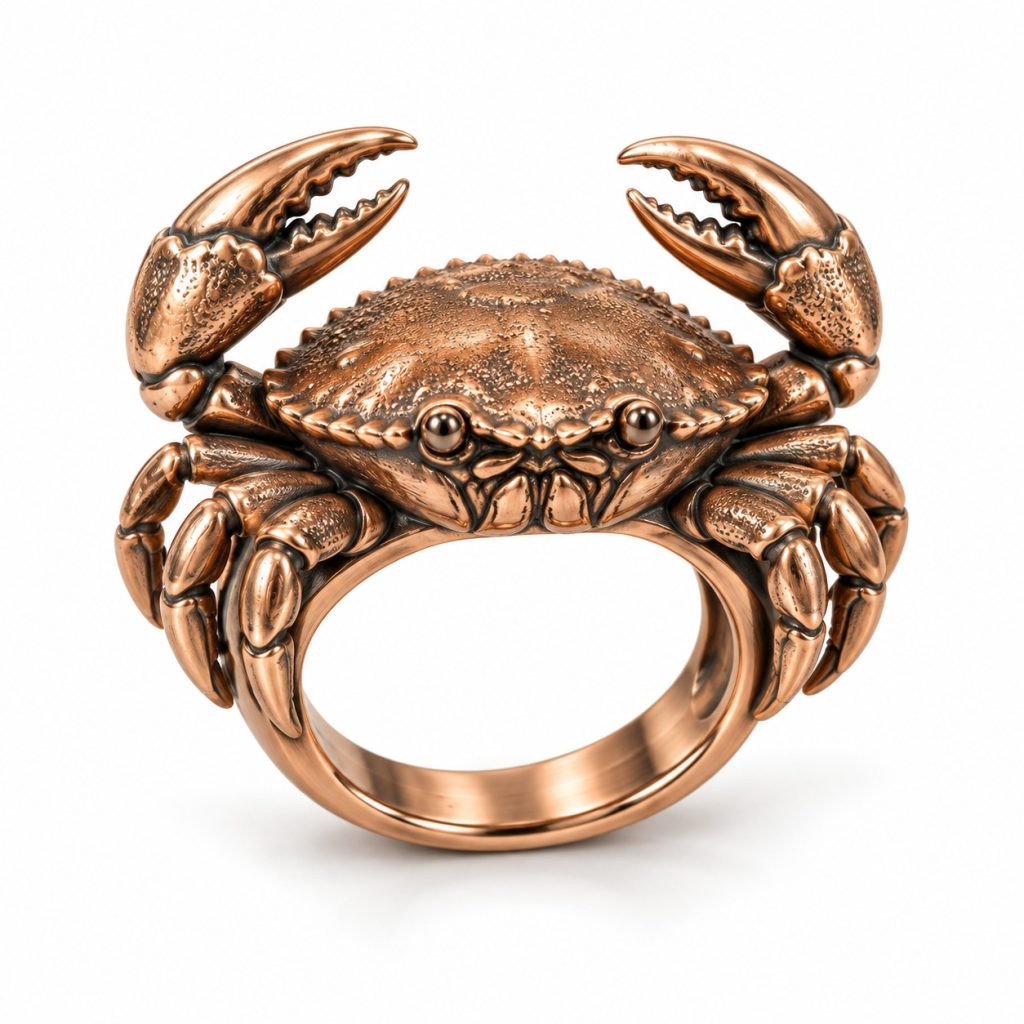
A product such as the Crab Pendant has projecting decorative features that need consideration during handling. Its appropriate cleaning method, however, must come from the product specification rather than its color or photograph.
Do not assume that silver polish, an ultrasonic cleaner or another cleaning product is suitable. Confirm the method for the particular material, finish and construction first.
Make the Daily Store Routine Simple
When opening the store, check that jewelry sits correctly on its cards, stands or inserts. Keep chains separated and avoid pressure on raised details.
Handle products with clean, dry hands. Use only a cloth or cleaning method confirmed as appropriate for the item.
Staff should not repeatedly bend open rings or cuff bracelets to demonstrate fit without product-specific instructions. An opening does not establish an unrestricted adjustment range.
Keep care materials labeled so that a product intended for one finish is not accidentally used on another.
Separate Display from Storage
An attractive display is not always the most suitable arrangement for keeping products between uses.
Store items so that they do not rub against neighboring pieces or become tangled. Check that each card or box accommodates the whole design without pushing against projecting fins, claws or other details.
Our jewelry packaging and labeling article explains additional considerations when selecting cards and protective packaging.
If a particular display causes repeated tangling or pressure on a product, change the arrangement rather than treating the resulting handling problem as unavoidable.
Give Customers Specific Care Information
A short care card can include the material description, confirmed handling and cleaning instructions, and a contact route for questions.
Avoid broad promises such as “always stays shiny” or “suitable for every environment.” Clear information about the actual product is more useful.
Check that the card matches the supplied variant. Instructions prepared for an unplated product should not automatically be used for a plated version.
Keep an After-Sales Record
When a customer reports a problem, record the SKU, purchase date, reported circumstances and photographs of the affected area. Describe what is visible without immediately assuming a cause.
Keep any item requiring further assessment separate from saleable stock. Compare recurring reports by model and component so that you can ask the supplier specific questions.
For products in the Lumabara collection, contact us with the product link and your question.
A simple care and service record helps your store provide consistent advice, investigate concerns and improve product information over time.