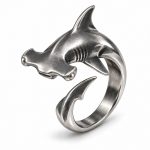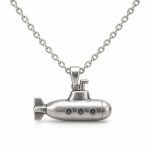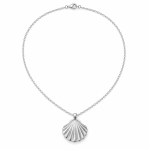

Ocean jewelry does not need to disappear from a boutique when summer ends. The same broad theme can support different displays throughout the year, provided each arrangement has a clear purpose.
The aim is to change the story customers see without rebuilding the entire range every season.
Create a Permanent Coastal Section
Choose a small permanent section for your marine jewelry. Organize it so that customers can distinguish necklaces, rings, bracelets and earrings without searching through an overcrowded tray.
Keep product information close to the display. An attractive arrangement should still make it easy to find dimensions, materials and prices.
Then reserve a smaller area for a changing feature. This gives your store a consistent identity and a manageable place to test new ideas.
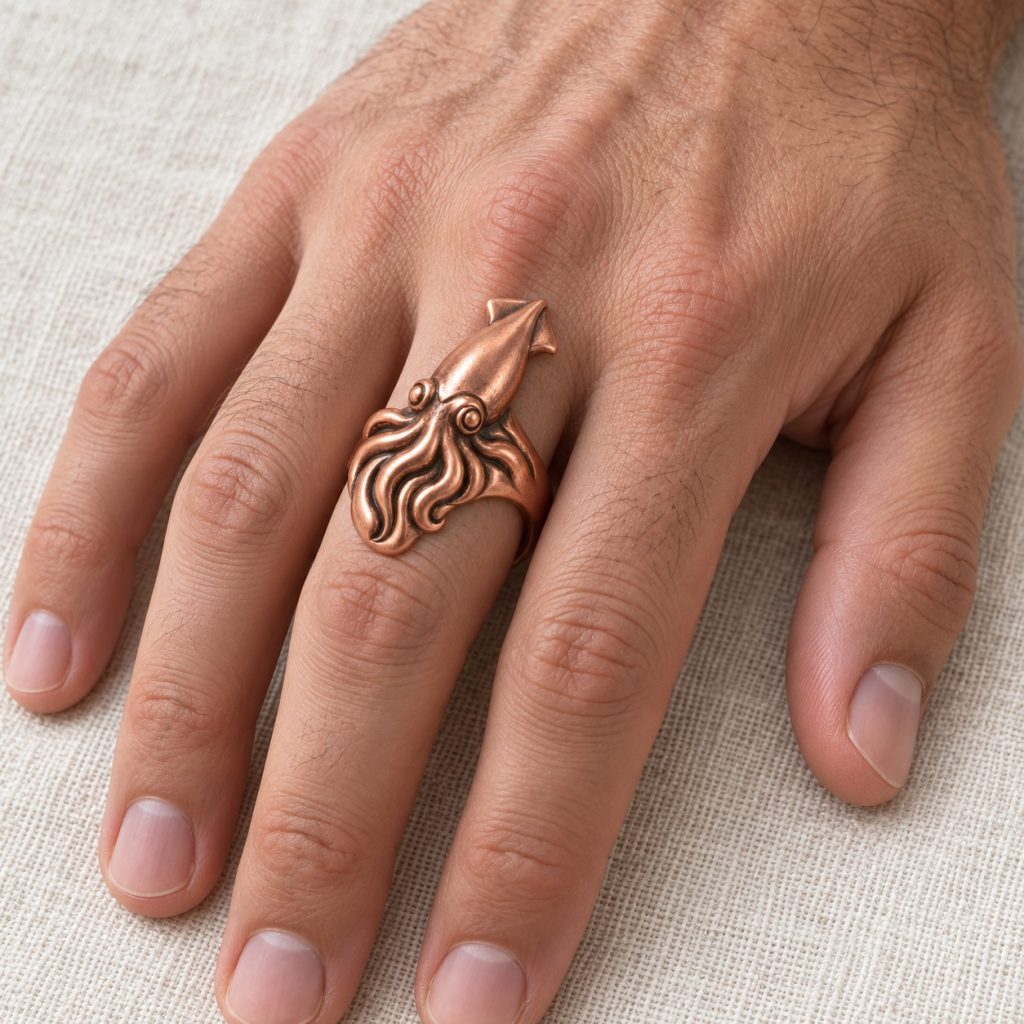
Match the Display to Your Local Calendar
Plan around the seasons and events relevant to your actual store. An Australian boutique and a shop in northern Europe will not follow the same summer calendar.
The following themes can be adapted to either market:
| Display theme | Presentation idea | Practical focus |
|---|---|---|
| Coastal escapes | Light backgrounds and a small selection of marine motifs | Keep small details visible |
| Sculptural forms | Close-up photographs beside selected pieces | Explain shape and scale |
| Jewelry with layers | Brooches and pendants shown against suitable clothing | Demonstrate styling possibilities |
| Gift discovery | Group pieces around animals or personal interests | Make fit and included components clear |
Treat these as display experiments, not predictions of customer demand.
Give Less Obvious Products a Role
A Sardine Fish Brooch offers a different display opportunity from a ring. A fabric swatch can suggest how a brooch might be worn, while an adjacent product photograph shows its shape and fastening.
For a pendant-focused feature, the Nautilus Shell Pendant provides a recognizable spiral motif. Confirm the supplied chain arrangement before presenting it as a complete necklace.
A display does not need the same animal on every item. A shared visual finish or flowing shape can connect different products.
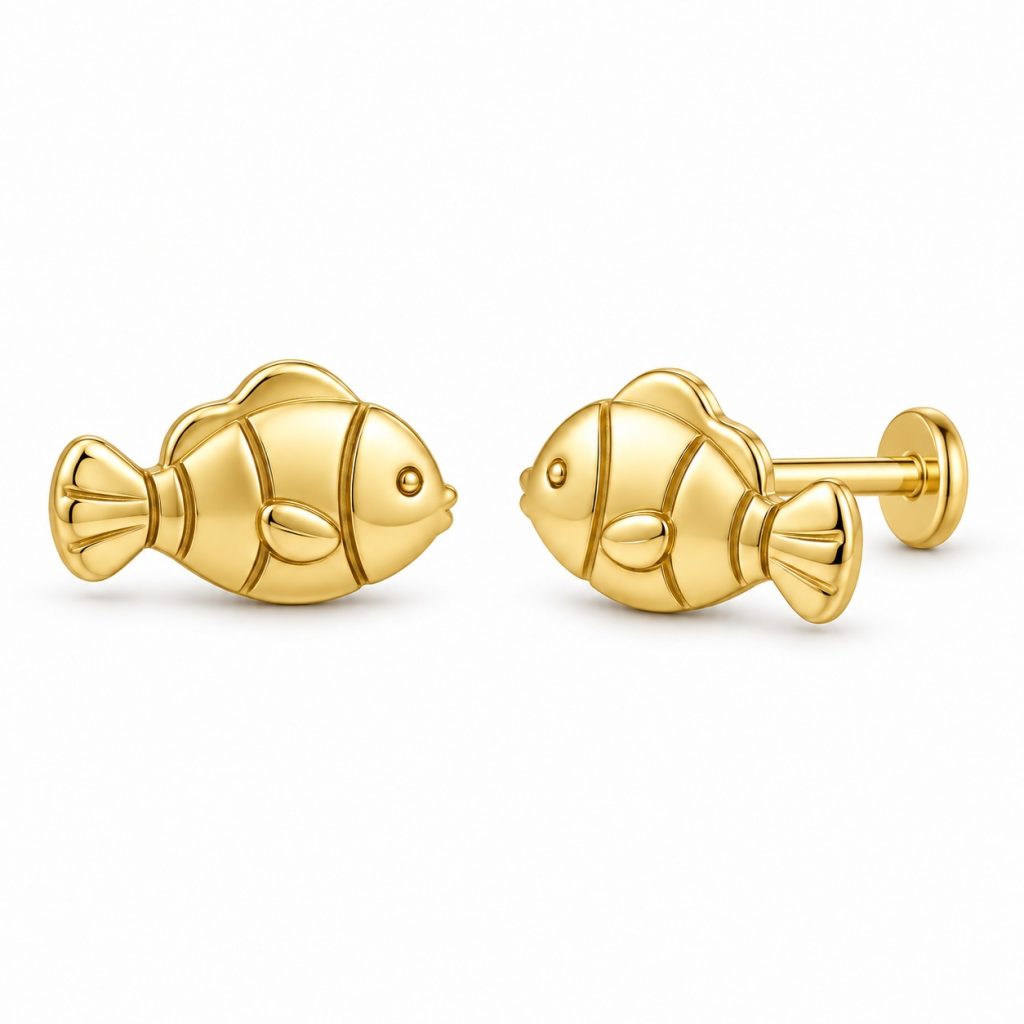
Measure the Display Separately from the Product
Record when a feature starts, which styles it includes and where they sit. Note sales, inquiries and repeated customer questions.
If customers pick up a product but repeatedly ask about its size, the next improvement may be a clearer information card. If a piece receives little attention, try a different height or background before deciding that the design is unsuitable.
Change one major display element at a time so your observations remain useful.
Plan the Next Rotation Around Existing Stock
Review what you already hold before adding more wholesale jewelry. A fresh photograph, a different grouping or a more useful caption may give an existing design another role.
Explore Lumabara’s jewelry collection and use our packaging and labeling article when preparing supporting cards.
For availability and order planning, send your selected product links and delivery postcode. Confirm quantities and specifications for each option before finalizing the next display.