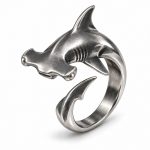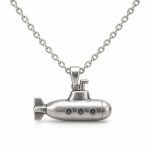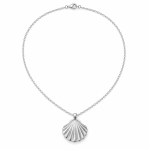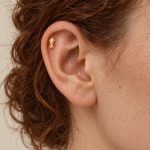

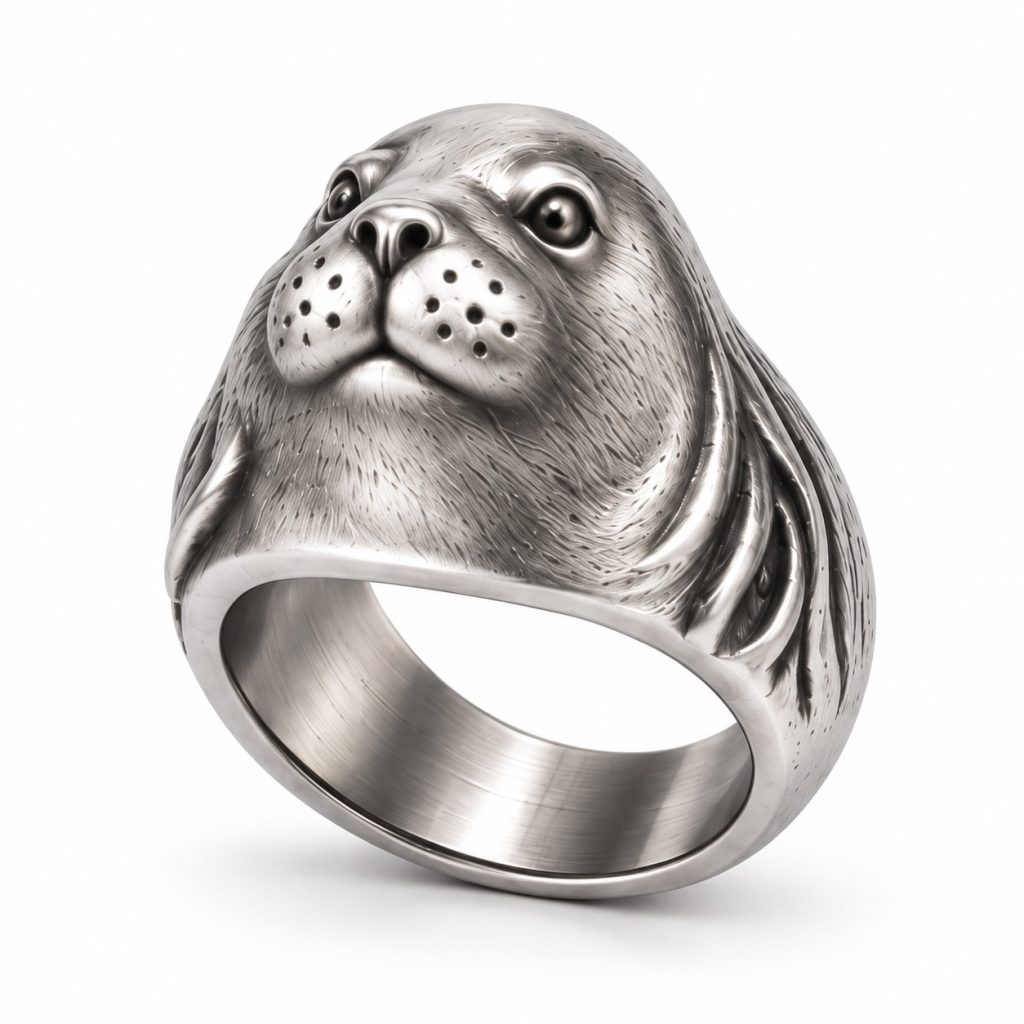
A custom ocean jewelry project often starts with a photograph of an animal or a sketch of a dramatic silhouette. The next step is deciding which features belong in a small metal object and which details can be simplified.
An effective brief makes those priorities visible. It helps the buyer and development team discuss the same shape, rather than agreeing to a general theme and discovering different expectations during sampling.
Choose the features that carry the animal’s identity
List two or three details the design must retain. Then identify the details that are optional. For a shell, the spiral might matter more than every ridge. For a squid, the mantle shape may be more important than showing each arm separately.
Lumabara’s Silver-Plated Nudibranch Ring offers an example of using raised surface details to suggest an unusual sea creature. The useful design question is which features remain recognizable at the proposed ring size. A large reference image should guide the idea, not dictate every tiny feature of the finished piece.
Mark your references with short notes such as “retain body outline” or “surface texture may be simplified.” Use your own designs or references you have permission to use.
Adapt the idea to the jewelry format
The same animal needs a different layout on a ring, pendant, bracelet or earring. Simply shrinking or enlarging one model may leave an attachment point or decorative projection in the wrong place.
| Product format | Design question to resolve |
|---|---|
| Ring | How does the motif connect to the band and sit beside neighboring fingers? |
| Pendant necklace | Where is the attachment point, and which face should hang forward? |
| Bracelet or bangle | How does the motif follow the wrist curve without replacing fit information? |
| Stud earring | Where is the post placed relative to the front’s shape and rear surface? |
Compare the compact Squid Flat Back Stud Earrings with the broader Cuttlefish Bangle. These are different animals and different formats, but they illustrate why decorative space and attachment needs belong in the brief from the beginning.
Discuss relief and connected shapes before adding complexity
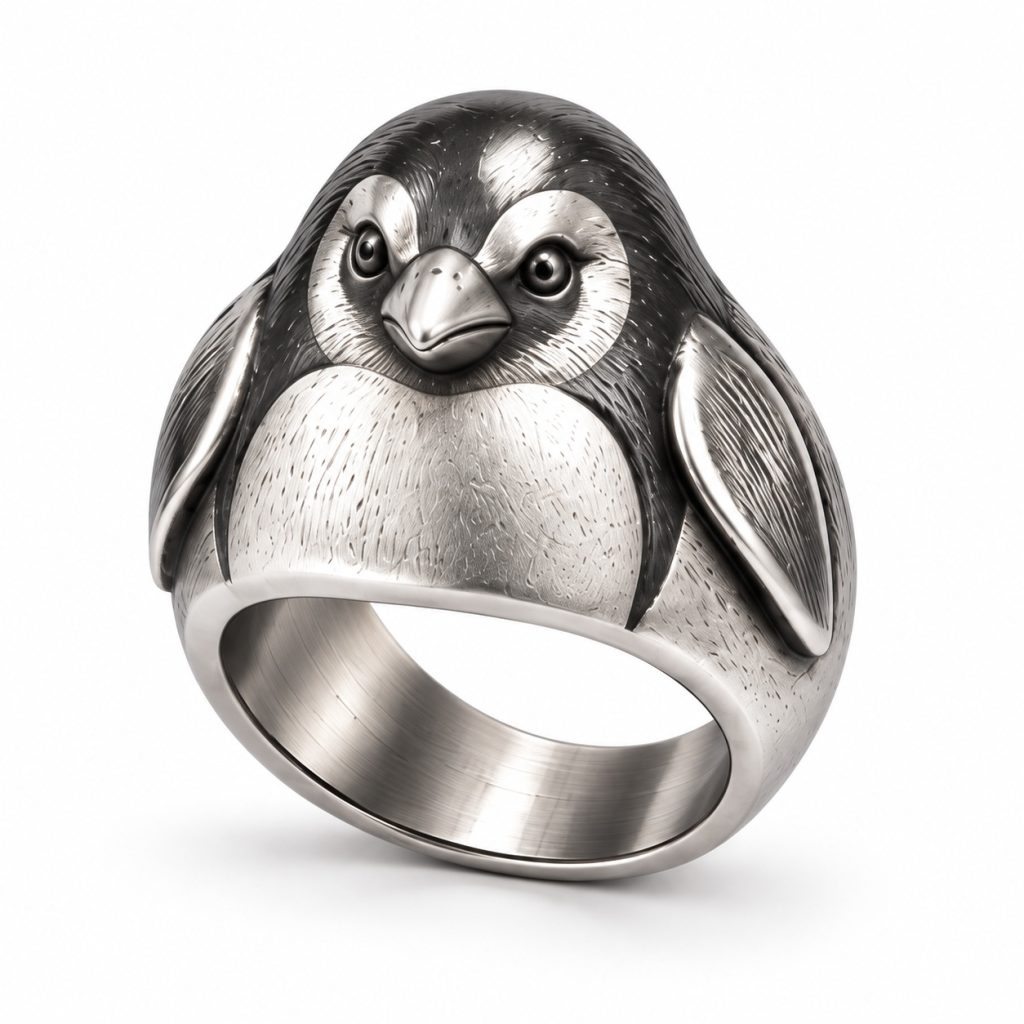
Ask which details could be expressed as recessed lines, raised relief or broader connected forms. If a sketch contains long isolated tips or very thin projections, request a review of those areas instead of assuming the drawing can be produced unchanged.
There is no single thickness that can be prescribed for every metal, process and design. Let the development review establish practical dimensions. Record any simplification you accept so it does not become an unresolved disagreement at sample stage.
Keep the first version focused: one main silhouette, a defined texture direction and a clearly described finish. Additional colors, components or moving sections can be discussed separately, with their effects on development and assembly made explicit.
Give revisions a visible purpose
When reviewing a proposal, separate appearance changes from construction changes. “Reduce the visual size of the tail” describes a different request from “change the overall ring size.” Annotate the exact location, explain why it matters and ask whether the revision affects other dimensions.
Use a simple version record: design reference, revision date, requested change and decision. Keep one approved version as the shared reference. An illustration, a physical sample and a production specification should be identified separately so that an attractive image is not mistaken for sample approval.
Build a short brief with the right supporting detail
Your starting brief can include the animal theme, jewelry format, essential visual features, approximate dimensions, preferred material and finish, quantity by option, and target delivery requirement. Mark undecided points clearly and ask for advice.
For format-specific preparation, use our guides to flat back stud components, pendant and chain assemblies, and bracelet fit measurements. The animal ring presentation guide can help identify the image angles you will eventually need.
Lumabara’s custom jewelry page outlines options for discussing an original concept or adapting an existing design. Share your brief to request a review of feasibility, development costs, minimum quantities and estimated timing. Those details should be confirmed for the particular project before development proceeds.