

When comparing wholesale bracelets and bangles, “18 cm” is not a complete specification. A flexible chain, a rigid closed bangle and an open cuff fit differently. The first buying decision is therefore to identify the construction and ask for measurements that describe it.
This matters for sculpted metal jewelry because the decorative section can occupy space around the wrist as well as above it. A useful fit record describes the interior, the fastening or opening, and the position of the motif.
Start with the bracelet’s construction
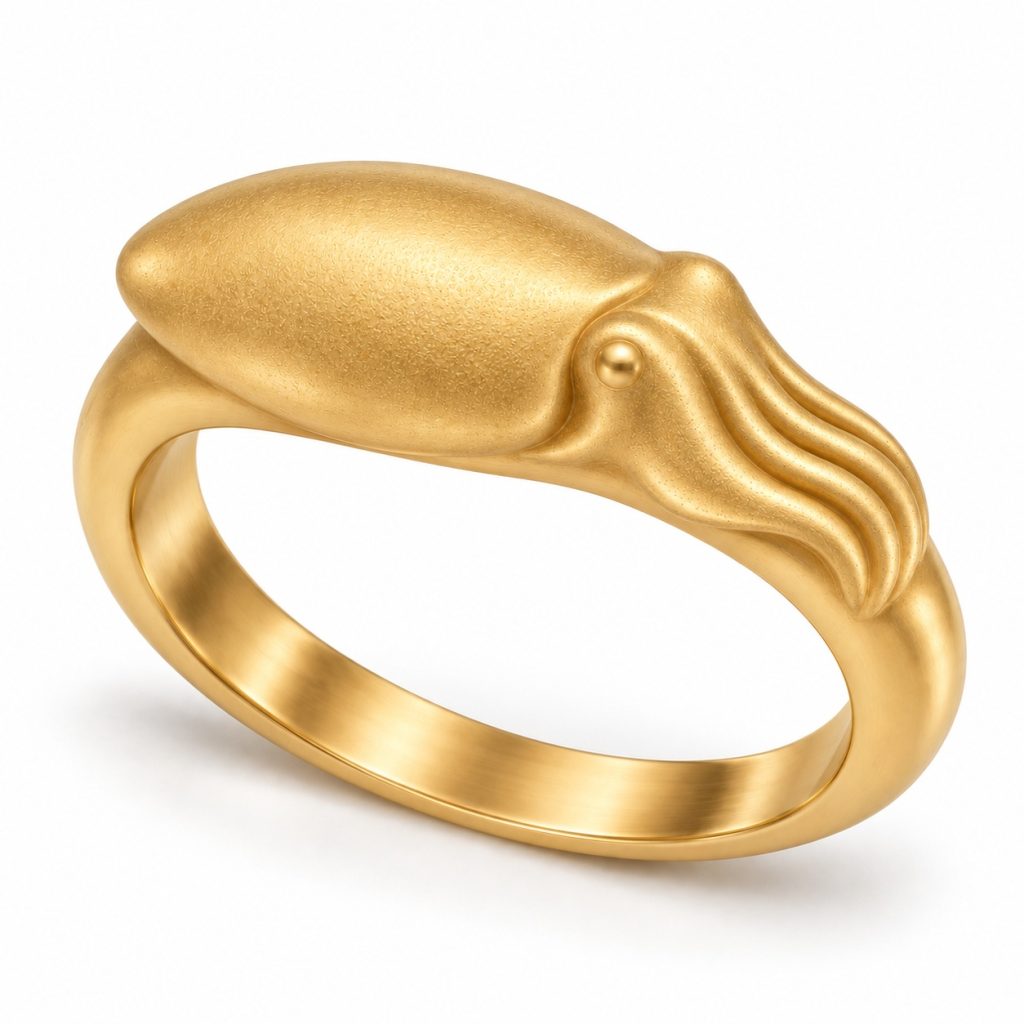
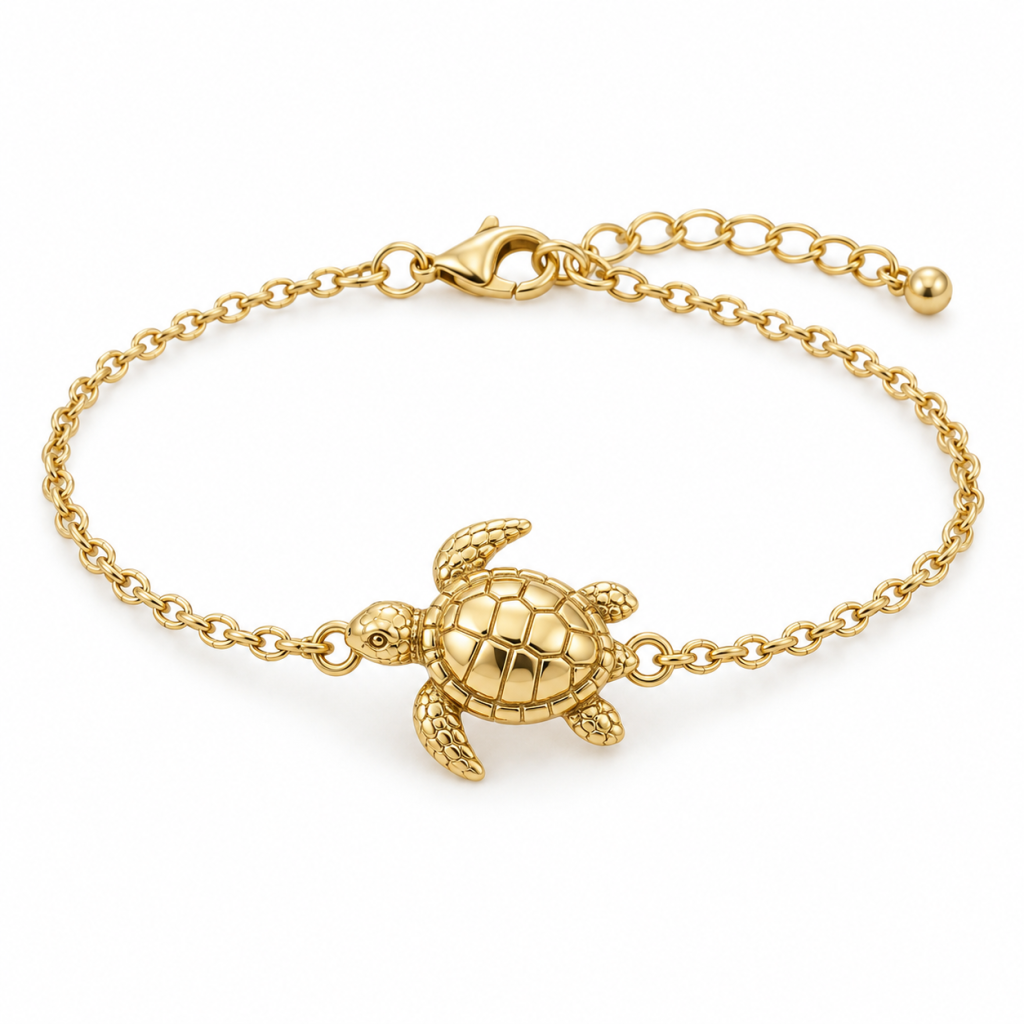
Lumabara’s Gold-Plated Sea Turtle Bracelet uses a chain format. The Cuttlefish Bangle and Stainless Steel Dugong Bangle introduce sculpted forms along a more structured bracelet shape.
Treat these as separate construction questions. Confirm the exact opening and fastening arrangement for the version being quoted instead of relying on the word “bangle” or “bracelet” alone.
| Construction | Measurements to request | Question a length alone cannot answer |
|---|---|---|
| Flexible chain bracelet | Wearable length, clasp details and any extender range | Where does the usable length begin and end? |
| Closed rigid bangle | Internal diameter, or internal width and height | Will the opening pass over the wearer’s hand? |
| Open rigid cuff | Internal width and height, gap and band profile | How is it intended to be put on? |
| Hinged design, if offered | Internal dimensions and open/closed fastening views | How does the closure operate? |
Separate internal measurements from external decoration
Ask for photographs showing measurement points inside the bracelet. Measuring across the outermost decorative surfaces can exaggerate the available space.
A sculpted animal may also extend beyond the band. Record the overall decorative width and height separately from the fit measurements. These dimensions help with display planning and with explaining how prominently the motif sits on the wrist.
For the cuttlefish design, the broad mantle is an important part of its appearance. For the dugong, the animal follows the bracelet’s upper curve. Neither visual description establishes the final fit. Request dimensions for the selected version and compare them with the approved sample.
Do not turn an opening into an adjustment promise
An open cuff is not automatically adjustable. Before describing one as adjustable, ask whether bending is intended, who should perform it and what instructions apply. Avoid repeatedly opening and closing a sample simply to find out how far it can move.
If an item is supplied in a fixed shape, your listing should explain the measurement and fitting method rather than calling it one-size-fits-all. Where several sizes are available, record each as a distinct option.
Build a fit card for your retail team
A practical fit card needs more than a size label. Include a photograph of the item from above, a side view and the agreed interior measurements. Add the supplier’s fitting instructions and a note identifying any extender or closure.
Keep a space for customer questions during a trial display. For example, record whether shoppers ask about getting a rigid bangle over the hand, the movement of a broad motif or operating a small clasp. These observations tell you which information your presentation needs; they do not automatically mean the product is defective.
Do not change the size description to solve a customer question without checking the specification first.
Compare equivalent configurations when ordering
Request quantities against each confirmed construction, material, finish and size. If two bracelets both carry the same length label, ask whether they use the same measuring convention before treating them as equivalent.
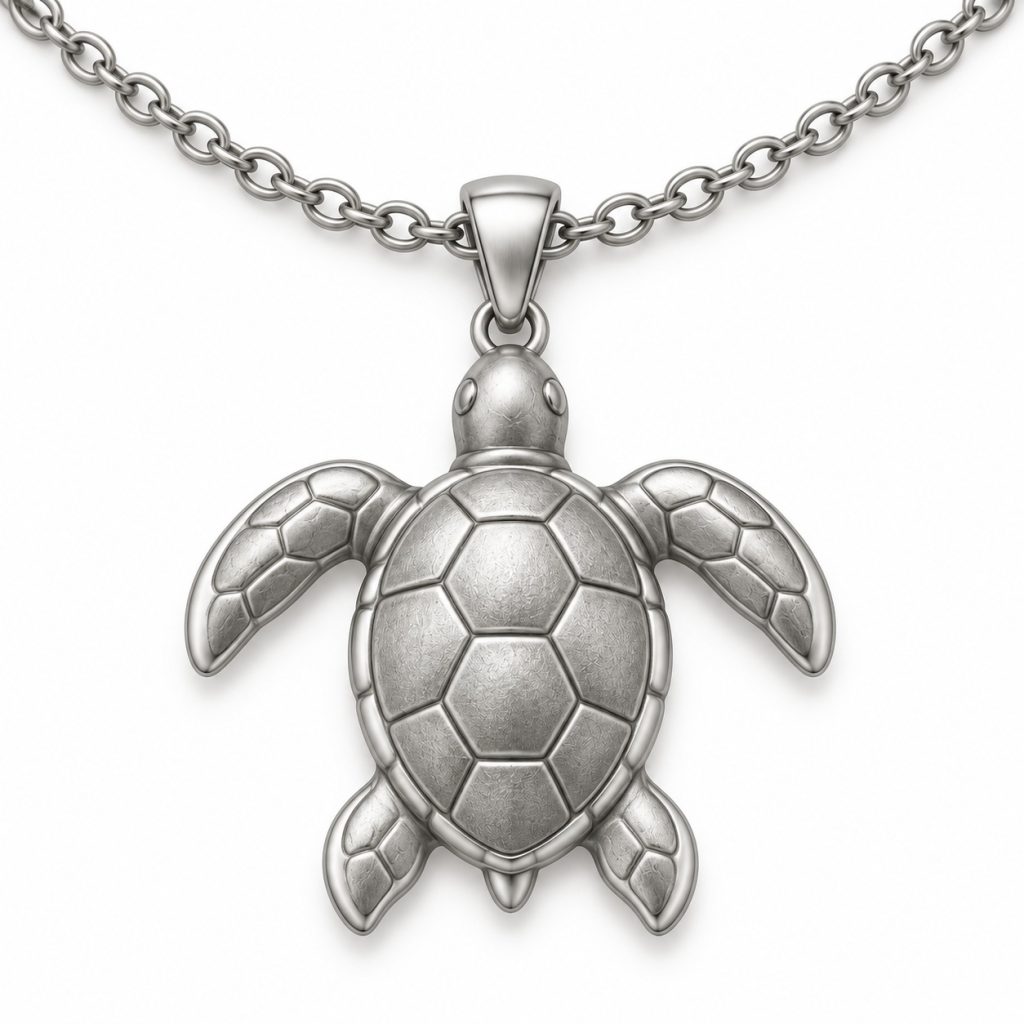
The same principle applies to neckwear: our pendant and chain specification guide explains how to identify length, clasp and component differences in a complete necklace.
For packing after fit approval, use the existing jewelry packaging and labeling guide. To discuss your bracelet selection, contact Lumabara with the product links and a request for the relevant interior dimensions. Include your intended quantity for each option so the quotation describes the items you actually plan to stock.
[…] bracelets appear in the same cabinet, separate their fit information from ring sizing. Our bracelet and bangle fit guide explains the measurements needed for those […]